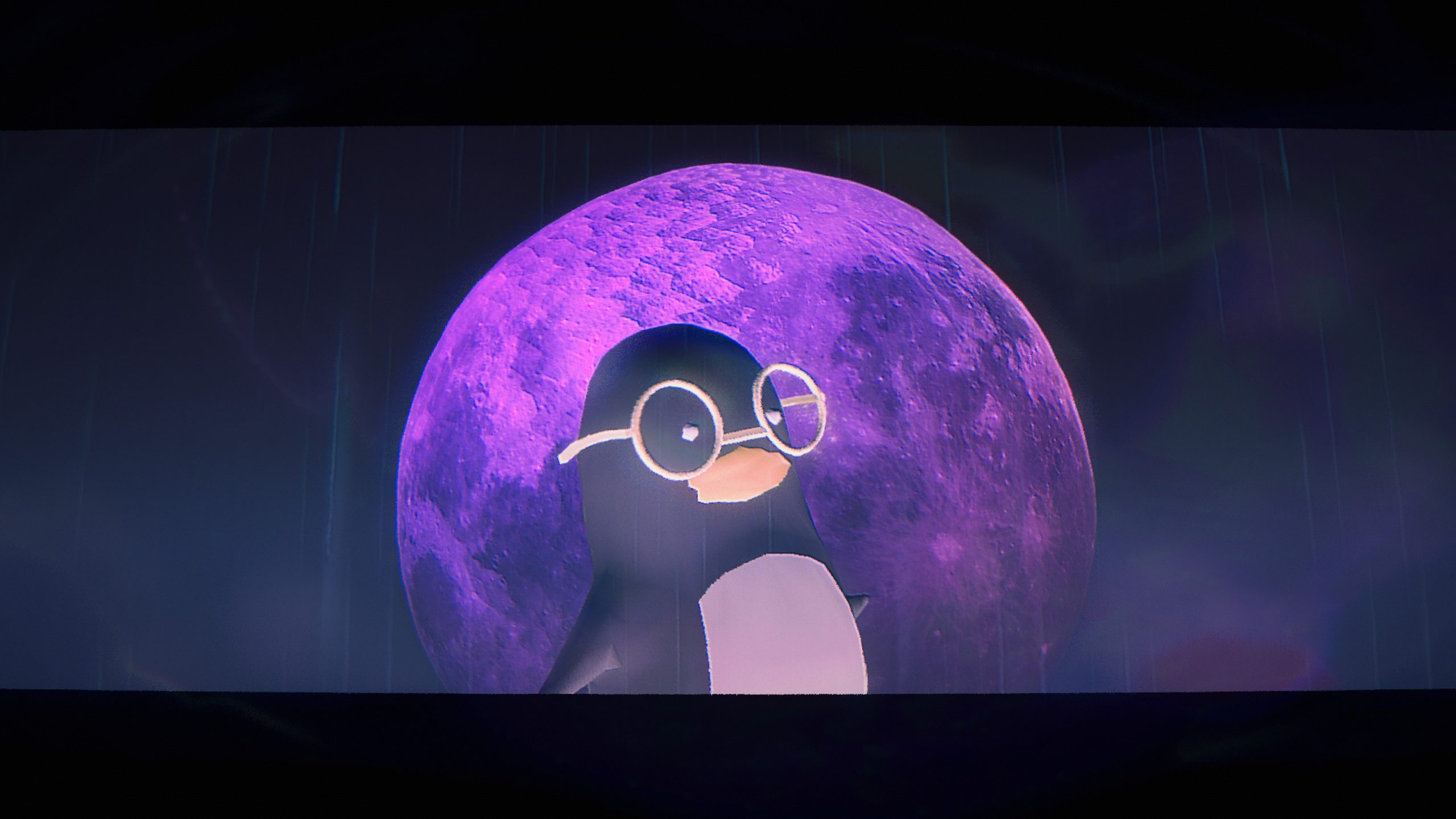
From the Tangle Tower developer, SFB, Crow Country was evidently created by a team that loved Resident Evil and Silent Hill. You play as Special Agent Mara Forest as she heads to an abandoned amusement park to look for its missing owner, Edward Crow. Given the survival horror influences, it goes without saying that all manner of unpleasant not-quite-humans-anymore have overrun the park. Not that we’d want it any other way.
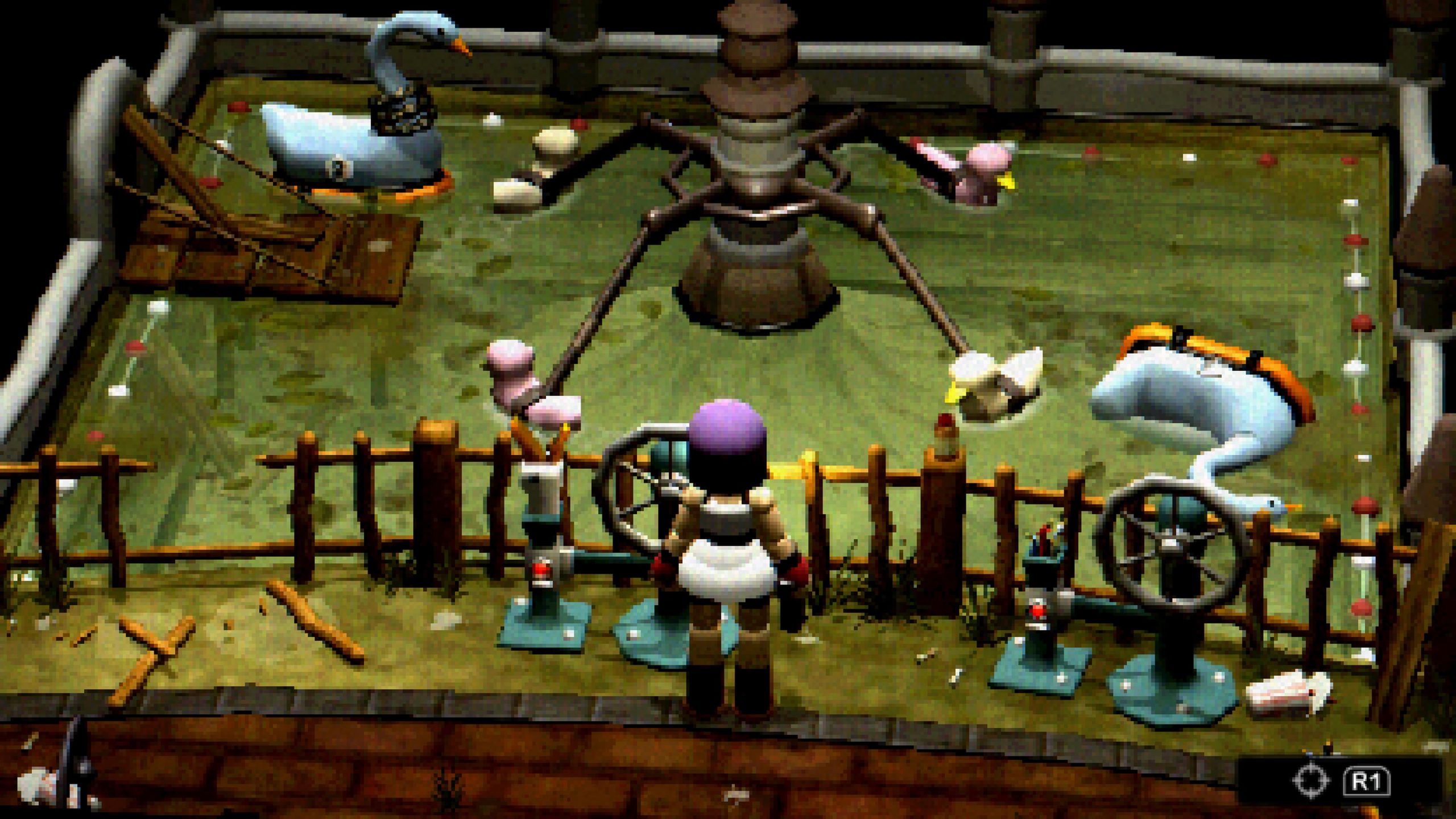
The 90s horror vibes hit the moment Crow Country boots up. Everything has a grainy CRT TV flicker, immediately transporting you back to your childhood bedroom, ready to play something you shouldn’t have at that age. The eponymous amusement park has all the brilliant blockiness of the era, including NPCs and the enemies that pop up. It seems art styles are not unlike fashion. Saying something has ‘PS1 graphics’ has moved from a flippant insult to a selling point.

Of course, the aesthetic is only one part of the equation if the developers were seeking to lean on nostalgia. The sound needs to be on point, too, and it certainly is. The music is probably the best part of Crow Country. After stepping into the park, you’re greeted with a jaunty tune with enough occasional distortion to signal that something untoward has happened. From there, it only gets better. It’s unsettling whenever it wants to ramp up the spooks, and like a warm hug when entering a save room.
It’s not just the music, though. The general sound effects are superb at conjuring memories from a simpler time. Whether it’s the slightly too loud footsteps, the canned wailing of the enemies, or the abrasive cawing of the crows scattered about the place, it’s all era-appropriate. Heck, the triumphant ditty that briefly plays when picking up an item brings a smile to my face. Even if it throws up an unnecessarily large box to display a first aid kit or a box of ammo. It’s all a charming part of the aesthetic. Who knew UI could give a person warm, fuzzy feelings?
If you go down to Crow Country today, you’re in for a big (bird) surprise
Thankfully, one area SFB mostly left in the past was the gameplay. There are no awkward tank controls to wrestle with as an amorphous blob hauls itself along the ground. Instead, the left stick deals with Mara’s movement while the right handles the camera. This allows you to swing it around, hunting for items, clues and enemies. Not only is this more convenient, but it also introduces a neat way for the developers to hide secrets in the environment.
The combat is unadvisably dated. To shoot at the Guests (as they’re referred to), you have to hold R1 and aim with the right stick. The issue isn’t that this prevents movement. That could effectively add tension. However, Mara’s aiming is so unsteady, resulting in a constant fight against the twitchy fingers of someone who’s had too much caffeine. It’s ridiculously fiddly, making it much easier to dash past foes, which is a perfectly viable strategy in survival horror. It simply means more enemies to deal with later when the park becomes more populated.
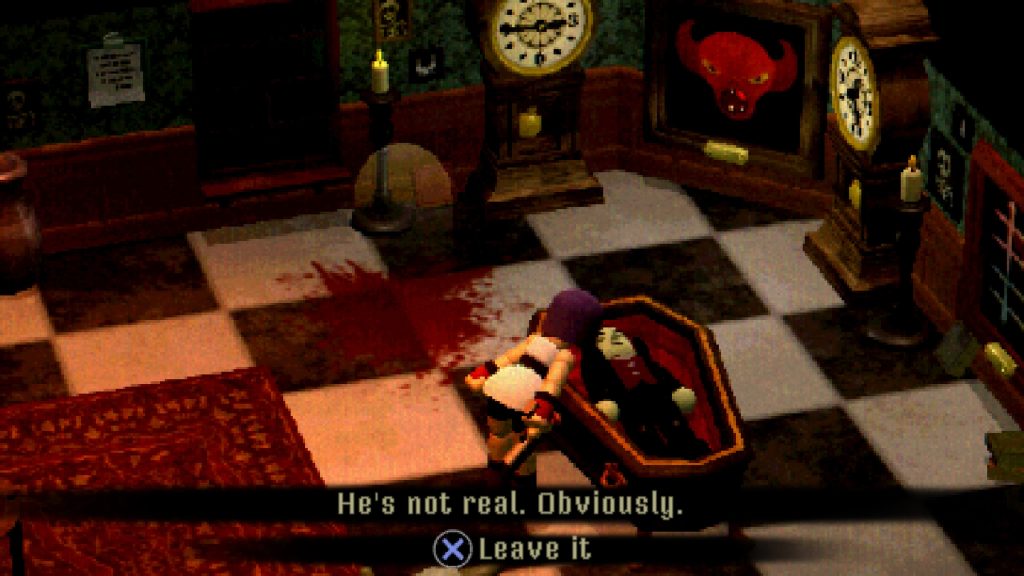
Fortunately, skipping over the shooting doesn’t drastically cheapen the experience. While exploring the park and uncovering its many secrets, there is a series of puzzles to solve. As is typical of the genre, they’re all appropriately convoluted. Expect to be hunting for keys alongside cranks to solve weird clock conundrums or rescuing a bottle of acid from a crypt to melt some resin. These puzzles are rarely difficult. However, they are audacious, and that’s all we truly want: to believe a mad genius set this all up for a laugh.
Solving them requires running back and forth across the map, meaning you’ll become intimately familiar with it by the time credits roll. That might sound like a slog, but the park is small enough, and shortcuts are unlocked along the way so it never becomes a chore. Quite the opposite, actually. Alongside uncovering more secrets by finding shortcuts, SFB were smart enough to add traps and additional enemies as the story progresses.
Poison traps and questionably made light fixtures
This means that previously cleared areas might now have a giant skeleton shuffling across the courtyard or an oversized fetus-like creature that moves with unsettling speed. It keeps everything on edge, stopping Crow Country from ever becoming boring or too safe. Some of the traps are a pain. Little crow heads on sticks spew poisonous gas, while chandeliers mysteriously appear in various spots, crashing down after Mara steps into their shadow. A shadow that’s often hard to avoid since it usually covers the path ahead. Sure, you can shoot them down, but they still feel pretty cheap, often leaving no time to react.
Far more effective are the fake ammo boxes that appear on the floor. It plays on the natural greed that survival horror fans possess. Dashing into a room and vacuuming up everything that isn’t mere set dressing is the norm. An explosion to the face is a nice reminder that paying attention is a sensible life choice.
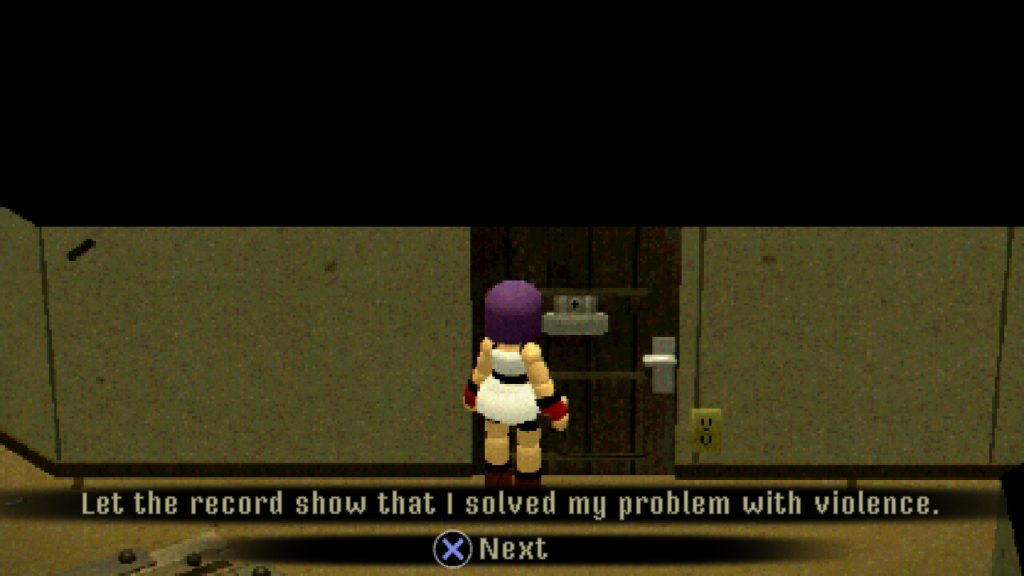
That’s not to say cheap deaths are in abundance. Crow Country isn’t a difficult game. I completed it without dying, and I clumsily stumbled into enemies and traps alike. First aid kits and bullets are reasonably plentiful, so you have to be extremely unobservant or wasteful to squander every resource. While that might not appeal to diehard horror fans, it allows for soaking up the atmosphere and enjoying the narrative.
And it’s the story, alongside that stellar soundtrack, that elevates Crow Country and separates it somewhat from its predecessors. Rather than all-out horror, it’s more cosy. While the dangers of the park are very real, Mara’s quirky sense of humour provides enough levity to stave off total darkness. When faced with a giant mechanical crow, she simply asks the non-sentient being where its boss is. After an animatronic vampire springs forth from a coffin, she merely states that he’s kind of cute.
Twists and turns with wonderful execution
Don’t confuse her nonchalance with a lack of stakes, though. It’s immediately clear that Mara knows more than she’s willing to admit. Her quirkiness is a shield rather than mere jokes for us to chuckle at. It makes the ultimate reveal in the story land all the better. Even if it’s not particularly surprising, the execution is so delightfully done that it hits as though you hadn’t long predicted it.
On the surface, Crow Country appears to be an homage to 90s survival horror games and nothing more. However, after spending some time in Edward Crow’s amusement park, it becomes clear that it can stand on its own. Sure, it wears its influences proudly, with the aesthetics, sound and even UI leaning on nostalgia. And yet, it’s different enough with its cosier approach and deliberately reduced difficulty that it bears a personality all its own. A bit of fiddly shooting takes little away from that.
Score: 8/10
Time Taken: 5 hours (7 for Platinum)
Played On: PS5